





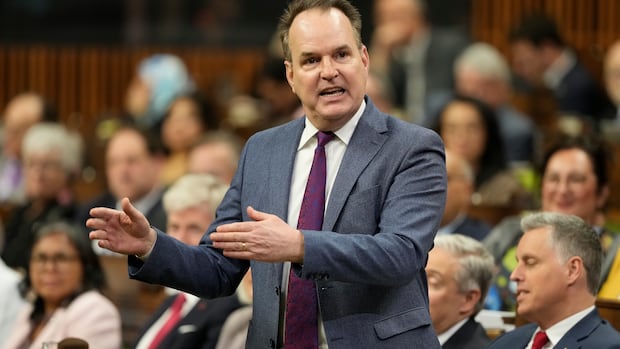
With Liberal MPs holding a majority of seats in the House of Commons, government House leader Steven Mac Kinnon put forward a motion on Thursday that would reflect that majority in the distribution of seats on House committees.
This would usually be a straightforward move – just the usual procedural housekeeping done at the start of each Parliament – except for the fact that it was taking place a year after the last general federal election.
It’s for this reason – along with the unusual events that have unfolded over the past 12 months – that this change to committees wasn’t simply passed through the House this week without any debate.
“If ever the Conservatives have a majority in Parliament, given their argument right now, will he commit and will he promise to Canadians that Conservatives will not have a majority on committee?” Liberal MP Karina Gould asked Conservative House leader Andrew Scheer during discussion in the House on Thursday.
“Had the Liberals gotten a majority through the ballot box, we would not be having this conversation,” Scheer replied. “They only need this motion because they are trying to overturn the results of the last election through the committee makeup.”
Gould and Scheer are unlikely to find common ground. But underneath all of this partisan disagreement and heated rhetoric lie important questions about how Canada’s parliamentary democracy functions and how it’s supposed to operate.
The ongoing controversy over floor-crossing
The core of Conservative complaints is still centered around the fact that the Liberal majority includes five floor-crossers, four of whom were former Conservative MPs. These five shifts in party allegiance were crucial in boosting Liberal seats from 169 (just three short of a majority) to 174 (two above what’s needed).
The argument claiming Canadians didn’t vote for a majority government is flawed – none of last year’s ballots offered voters an option between a majority or minority government.
No matter how much influence parties and their leaders may exert over voter choices, Canadians elect parliaments, not governments. (It wasn’t until 1972 – 105 years into Canada’s history – that party names even appeared on federal election ballots.)
WATCH | Government House leader defends Liberal move:
Government House leader defends Liberal move to seize control of House committees
Government House leader Steven Mac Kinnon tells Power & Politics his government has earned a majority, which will soon be reflected when Liberals take charge of key House of Commons committees.
However, it’s still reasonable to criticize specific floor-crossers or worry that such moves might increase public cynicism about politicians or democracy as a whole.
If an MP switches parties after previously claiming certain beliefs, it’s understandable if some voters view those actions negatively.
This is why Liberals might want to handle their newfound majority carefully.
But it’s also valid to question whether trying to regulate against floor-crossing would do more harm than good.
MPs have had at least two chances in recent years to change these rules. A private member’s bill aimed at forcing byelections when members switch parties was rejected in 2005 by a vote count of 60 to 189. Seven years later, another similar proposal failed by 91 votes against 181.
Three weeks ago, Conservative Leader Pierre Poilievre backed an idea suggesting voters should trigger byelections if an MP crosses floors. Yet it seems like Conservatives aren’t pushing this idea very hard.
There are practical considerations regarding any proposed rules concerning floor-crossing.
How would Poilievre’s suggestion or an outright ban address situations like what occurred in February 2004 when all Canadian Alliance MPs alongside 15 Progressive Conservative MPs decided to sit together under one banner after forming the new Conservative Party?
What about Canadian Alliance MPs who previously left their party and created something called the Democratic Representative Caucus?
Beyond practical issues, limiting floor-crossing could further strengthen party leaders’ power over individual members. The heart of this debate revolves around what should be regarded as fundamental within Canada’s parliamentary democracy: individual elected members or political parties behind them?
If switching parties is inherently wrong, then what about voting against your party’s wishes? Should MPs adhere strictly to every single point made within their party platform?
Aren’t majorities too powerful?
The Conservatives aren’t just worried about how Liberals gained their majority but also concerned with what they might do with it now – particularly regarding blocking opposition efforts at committee levels which limits opposition MPs’ ability to scrutinize government actions.
“What the Liberals are proposing … is giving themselves 58 percent representation on those committees which ensures nothing from opposition members can actually occur there,” said Conservative MP John Brassard during discussions on Thursday.
WATCH | Scheer explains Conservative position on Liberal changes: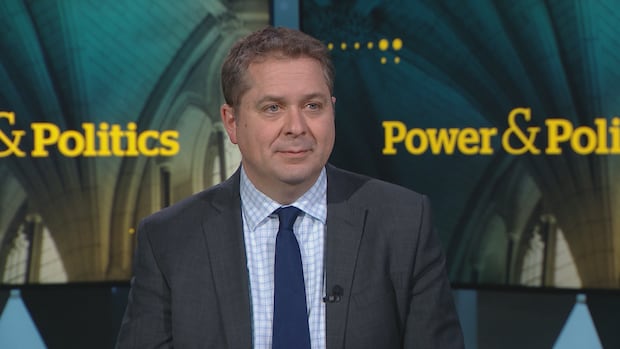
Liberals should ‘preserve’ opposition’s ability to hold them accountable at committee: Scheer
As Liberals aim for control over House committees, Conservative House leader Andrew Scheer urges adding amendments allowing opposition groups access for holding government accountable across three essential ones.
It isn’t unreasonable to think that committees led by governing parties will behave differently compared with ones where opposition holds sway. Once Liberal MPs dominate these committees, they’re less likely to initiate inquiries into matters embarrassing for them or accept amendments disapproved by them.
This could serve as evidence against allowing any single party complete control over committee seats forevermore-or provide grounds for reducing partisanship impact concerning committee operations-diminishing strict discipline enabling leaders’ control throughout parliamentary processes.
Since banning majorities may prove challenging-although shifting towards proportional representation could lessen likelihood anyone achieves total dominance-it might make more sense focusing instead upon granting increased independence and authority directly towards those serving within respective committees.
Positioning committee membership outside immediate reach from respective whips wouldn’t automatically guarantee all desired inquiries hearings adjustments sought after by oppositional representatives; however it’d enhance overall capacity enabling these groups conduct themselves independently-regardless if Parliament currently operates utilizing predominant affiliation format.
In essence then moving forward amid notable changes witnessed lately could center more around empowering individual representatives chosen directly by citizens rather than merely reinforcing importance attached towards existing political affiliations altogether.
Source link