




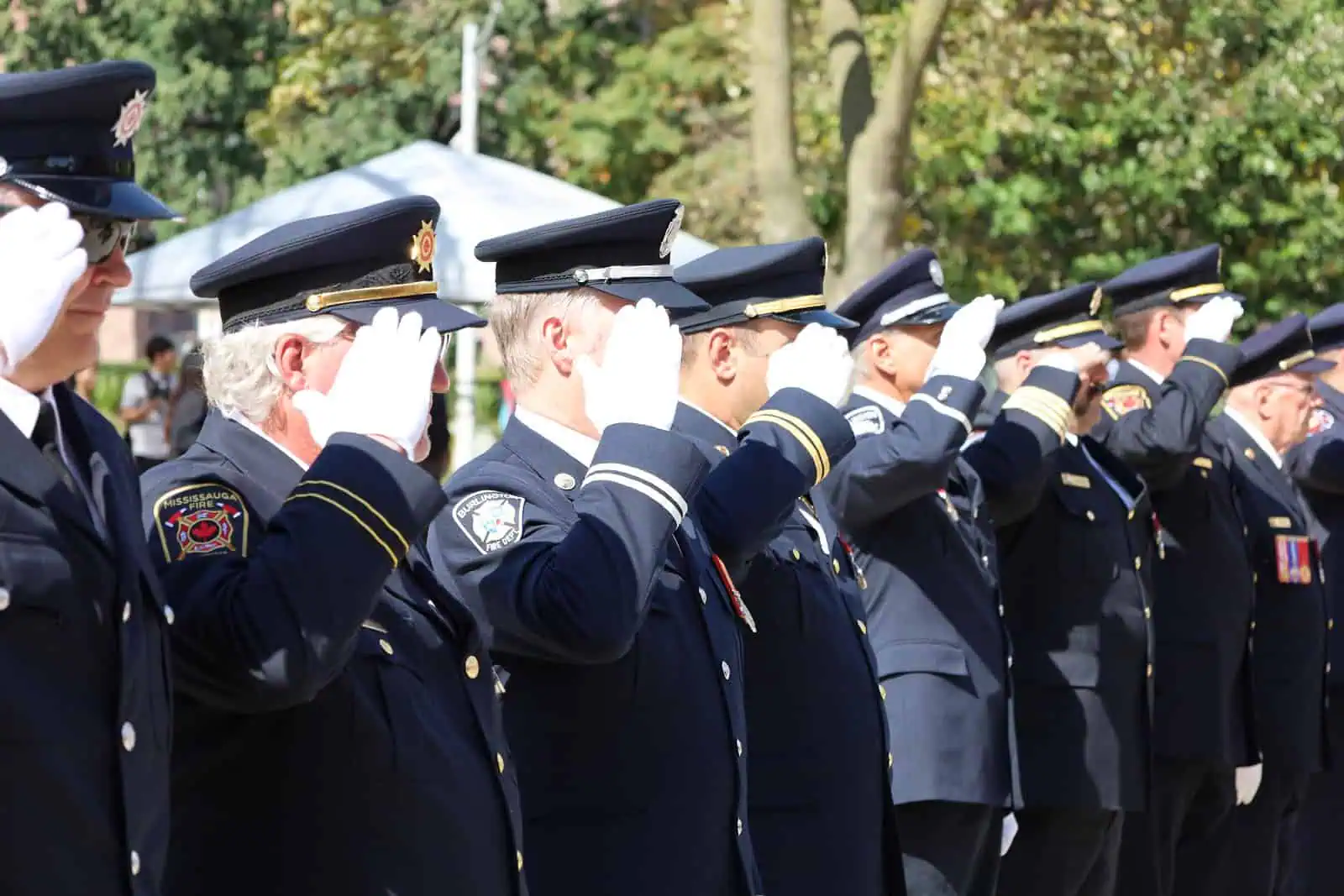
The Oshawa Valley Botanical Gardens will be confirmed as the location for a Firefighters’ Memorial project at Monday’s council meeting. This memorial will honor the 14 firefighters from Oshawa who have died due to their service.
A space dedicated to recognizing the bravery, sacrifice, and service of Oshawa firefighters who lost their lives on duty was approved unanimously earlier this month, with Memory Gardens at the Oshawa Botanical Gardens-situated just south of Oshawa Fire headquarters-set as a permanent home on Monday’s council agenda.
The memorial is budgeted at $600,000 and construction is expected to begin later this year.
This project aims to create a lasting civic space for remembrance, ceremonies, and reflection that pays tribute to firefighters who have fallen in the line of duty.
It will feature a bronze sculpture of a firefighter along with an integrated lighting element that will enhance the overall commemorative area.
![]()
 Oshawa Councillor Tito-Dante Marimpietri expressed he was “honoured” to support this initiative that recognizes the “family sacrifices made in delivering an unwavering commitment to public safety to Oshawa residents.”
“Our city is grateful.”
A permanent memorial honoring Whitby firefighters’ sacrifice is also set for Civic Park this fall, thanks to $135,000 in federal funding aimed at creating a Fallen Firefighter Memorial.
This memorial will acknowledge the seven Whitby firefighters who made the ultimate sacrifice while serving and will stand as a tribute to all those who risk their lives daily for community safety. It will also celebrate the 175th anniversary of Whitby Fire and Emergency Services, linking past sacrifices with present-day commitments.
“Whitby’s firefighters accept extraordinary risks in service to our community, and this memorial will stand as a lasting tribute to those who made the ultimate sacrifice,” said Whitby Mayor Elizabeth Roy. She thanked Ottawa for supporting funding that helps create a “dedicated place” at Whitby Civic Park where families, colleagues, and residents can honor the contributions of Whitby’s fallen firefighters.
The memorial design includes a bronze statue of a kneeling firefighter positioned at the center of a circular plaza. This space aims to serve as both a site for remembrance and education, providing families, colleagues, and residents with an important place to pay respects while learning about the history and legacy of Whitby Fire.
Oshawa Councillor Tito-Dante Marimpietri expressed he was “honoured” to support this initiative that recognizes the “family sacrifices made in delivering an unwavering commitment to public safety to Oshawa residents.”
“Our city is grateful.”
A permanent memorial honoring Whitby firefighters’ sacrifice is also set for Civic Park this fall, thanks to $135,000 in federal funding aimed at creating a Fallen Firefighter Memorial.
This memorial will acknowledge the seven Whitby firefighters who made the ultimate sacrifice while serving and will stand as a tribute to all those who risk their lives daily for community safety. It will also celebrate the 175th anniversary of Whitby Fire and Emergency Services, linking past sacrifices with present-day commitments.
“Whitby’s firefighters accept extraordinary risks in service to our community, and this memorial will stand as a lasting tribute to those who made the ultimate sacrifice,” said Whitby Mayor Elizabeth Roy. She thanked Ottawa for supporting funding that helps create a “dedicated place” at Whitby Civic Park where families, colleagues, and residents can honor the contributions of Whitby’s fallen firefighters.
The memorial design includes a bronze statue of a kneeling firefighter positioned at the center of a circular plaza. This space aims to serve as both a site for remembrance and education, providing families, colleagues, and residents with an important place to pay respects while learning about the history and legacy of Whitby Fire.
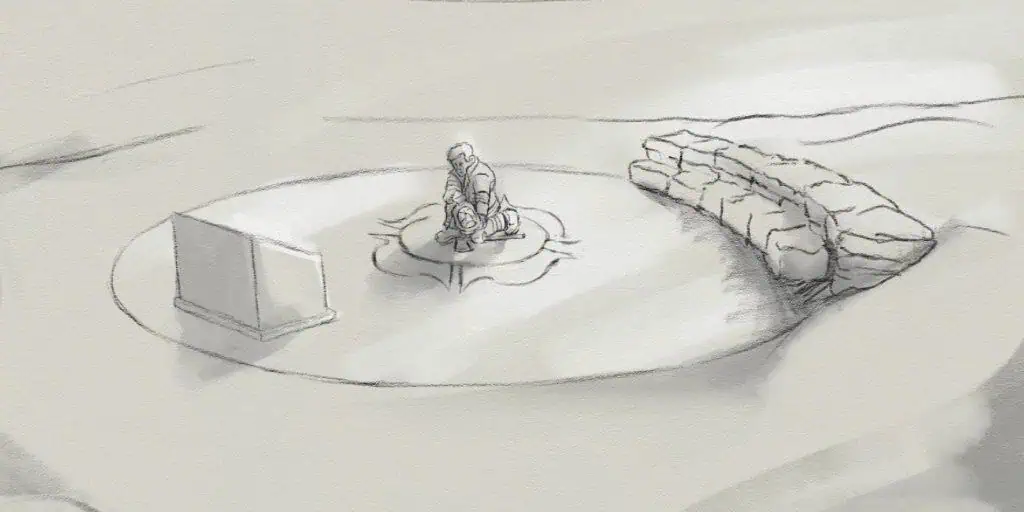 Design for Whitby’s Firefighters Memorial
INsauga’s Editorial Standards and Policies
Last 30 Days: 33,789 Votes
All Time: 1,262,448 Votes
280 VOTES
Design for Whitby’s Firefighters Memorial
INsauga’s Editorial Standards and Policies
Last 30 Days: 33,789 Votes
All Time: 1,262,448 Votes
280 VOTES
Source link
Oshawa Councillor Tito-Dante Marimpietri expressed he was “honoured” to support this initiative that recognizes the “family sacrifices made in delivering an unwavering commitment to public safety to Oshawa residents.”
“Our city is grateful.”
A permanent memorial honoring Whitby firefighters’ sacrifice is also set for Civic Park this fall, thanks to $135,000 in federal funding aimed at creating a Fallen Firefighter Memorial.
This memorial will acknowledge the seven Whitby firefighters who made the ultimate sacrifice while serving and will stand as a tribute to all those who risk their lives daily for community safety. It will also celebrate the 175th anniversary of Whitby Fire and Emergency Services, linking past sacrifices with present-day commitments.
“Whitby’s firefighters accept extraordinary risks in service to our community, and this memorial will stand as a lasting tribute to those who made the ultimate sacrifice,” said Whitby Mayor Elizabeth Roy. She thanked Ottawa for supporting funding that helps create a “dedicated place” at Whitby Civic Park where families, colleagues, and residents can honor the contributions of Whitby’s fallen firefighters.
The memorial design includes a bronze statue of a kneeling firefighter positioned at the center of a circular plaza. This space aims to serve as both a site for remembrance and education, providing families, colleagues, and residents with an important place to pay respects while learning about the history and legacy of Whitby Fire.
Design for Whitby’s Firefighters Memorial
INsauga’s Editorial Standards and Policies
Last 30 Days: 33,789 Votes
All Time: 1,262,448 Votes
280 VOTES
Source link