Health officials in Huron Perth, Ontario have confirmed the first locally acquired human case of West Nile virus (WNV) this year, reminding residents to safeguard against mosquito bites.
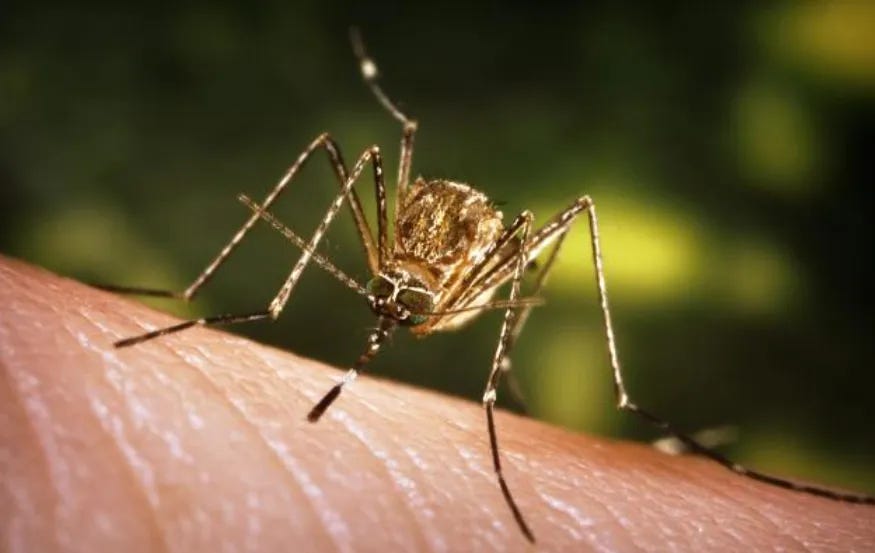
Image/CDC
“While the overall risk to the public remains low, this is a timely reminder that West Nile virus activity typically increases in late summer and early fall,” says Dr. Lauren Hayward, physician consultant at Huron Perth Public Health (HPPH). “We encourage residents to take precautions to protect themselves from mosquito bites. If you are spending time outdoors at dawn and dusk, when mosquitos are most active, use insect repellent and wear long sleeves and pants.”
HPPH reported its first two positive mosquito pools in August of this year. As part of annual mosquito surveillance, HPPH has been trapping and testing mosquitoes in various locations across Huron and Perth since June 16, 2025. To help minimize mosquito breeding and lower the risk of potential WNV transmission, larvicide is applied to roadside catch basins in Stratford, St. Marys, Listowel, and Mitchell during the summer months.
According to Public Health Ontario, 61 confirmed human cases of WNV have been reported province-wide in 2025 through September 7.
 Not everyone who gets bitten by an infected mosquito will show symptoms of the virus. Of those who do develop symptoms, most will experience mild illness such as fever, headache, body aches, nausea, vomiting, and a rash on the chest or stomach.
About one in 150 people infected may become seriously ill with symptoms like high fever, muscle weakness, vision loss and even coma. WNV can lead to death.
Symptoms usually appear between two and 15 days after being bitten by an infected mosquito. Those over age 50 are at greater risk for WNV infection along with individuals with weakened immune systems.
You can protect yourself from mosquito bites by:
Using an insect repellent that contains DEET or Icaridin when you’re outdoors. Be sure to follow the manufacturer’s instructions.
Dressing in light-colored clothing including long sleeves and pants when outside or in areas where mosquitoes are prevalent.
Taking extra precautions during dawn and dusk when mosquitoes are most active.
Eliminating standing water around your home at least once a week to help reduce mosquito breeding sites.
Not everyone who gets bitten by an infected mosquito will show symptoms of the virus. Of those who do develop symptoms, most will experience mild illness such as fever, headache, body aches, nausea, vomiting, and a rash on the chest or stomach.
About one in 150 people infected may become seriously ill with symptoms like high fever, muscle weakness, vision loss and even coma. WNV can lead to death.
Symptoms usually appear between two and 15 days after being bitten by an infected mosquito. Those over age 50 are at greater risk for WNV infection along with individuals with weakened immune systems.
You can protect yourself from mosquito bites by:
Using an insect repellent that contains DEET or Icaridin when you’re outdoors. Be sure to follow the manufacturer’s instructions.
Dressing in light-colored clothing including long sleeves and pants when outside or in areas where mosquitoes are prevalent.
Taking extra precautions during dawn and dusk when mosquitoes are most active.
Eliminating standing water around your home at least once a week to help reduce mosquito breeding sites.
Source link
 Not everyone who gets bitten by an infected mosquito will show symptoms of the virus. Of those who do develop symptoms, most will experience mild illness such as fever, headache, body aches, nausea, vomiting, and a rash on the chest or stomach.
About one in 150 people infected may become seriously ill with symptoms like high fever, muscle weakness, vision loss and even coma. WNV can lead to death.
Symptoms usually appear between two and 15 days after being bitten by an infected mosquito. Those over age 50 are at greater risk for WNV infection along with individuals with weakened immune systems.
You can protect yourself from mosquito bites by:
Using an insect repellent that contains DEET or Icaridin when you’re outdoors. Be sure to follow the manufacturer’s instructions.
Dressing in light-colored clothing including long sleeves and pants when outside or in areas where mosquitoes are prevalent.
Taking extra precautions during dawn and dusk when mosquitoes are most active.
Eliminating standing water around your home at least once a week to help reduce mosquito breeding sites.
Not everyone who gets bitten by an infected mosquito will show symptoms of the virus. Of those who do develop symptoms, most will experience mild illness such as fever, headache, body aches, nausea, vomiting, and a rash on the chest or stomach.
About one in 150 people infected may become seriously ill with symptoms like high fever, muscle weakness, vision loss and even coma. WNV can lead to death.
Symptoms usually appear between two and 15 days after being bitten by an infected mosquito. Those over age 50 are at greater risk for WNV infection along with individuals with weakened immune systems.
You can protect yourself from mosquito bites by:
Using an insect repellent that contains DEET or Icaridin when you’re outdoors. Be sure to follow the manufacturer’s instructions.
Dressing in light-colored clothing including long sleeves and pants when outside or in areas where mosquitoes are prevalent.
Taking extra precautions during dawn and dusk when mosquitoes are most active.
Eliminating standing water around your home at least once a week to help reduce mosquito breeding sites.
Source link