



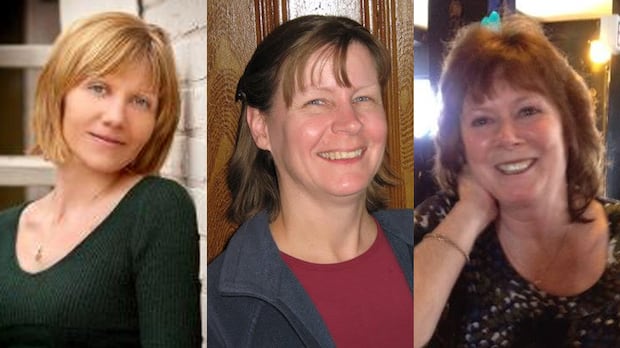
On Sept. 22, 2015, the Take Back the Night march in Renfrew County was suddenly called off.
The annual event, celebrated in various places around the globe, aims to highlight violence against women. But that evening, police tape surrounded three locations in Ottawa Valley as families and residents struggled to grasp what had occurred.
Earlier that day, a local man went on a violent spree across the rural county, killing three women: Carol Culleton, Anastasia Kuzyk and Nathalie Warmerdam.
Later revelations about how the perpetrator’s history of abusing women was well-known among community members, police and the justice system added another layer of pain and calls for change.
“It still feels like it’s a fresh wound,” said Lori Norwood, director of the Renfrew County Sexual Assault and Rape Crisis Support Centre and organizer of the 2025 Take Back the Night march in Killaloe.
“A lot of people still feel very scared, very hurt and very protective.. It does feel like it just happened yesterday.”
Even though it’s been 10 years since those tragic events, Norwood and other advocates believe that significant efforts to enhance safety for women began about three years ago after a high-profile coroner’s inquest into the deaths produced 86 recommendations. Much of this work has been grassroots-driven.
![]() Julianna Morin is coordinator of End Violence Alliance of Renfrew County. (Salah Tebessi/CBC )
“Action on these recommendations hasn’t come from above but rather from grassroots efforts which I think is ultimately better,” said Pamela Cross who testified at the inquest. She’s also part of Ontario’s Domestic Violence Death Review Committee.
“People have collaborated across different sectors that often don’t see eye to eye.”
However, it’s frustrating that Ontario’s government hasn’t officially recognized intimate partner violence as an epidemic yet.
“The current government likes to promote its achievements but they’re not doing nearly enough,” said Cross. “They need to acknowledge we have this epidemic.. Now let’s address some of those other 85 recommendations because if it’s truly an epidemic then it requires action at all levels.”
Nevertheless changes within Renfrew County have been noteworthy according to Mary Leigh Elliot who is executive director at Victim Services of Renfrew County; she highlights improvements between her organization and local police forces.
“Good things have come out from that inquiry. Various townships along with our county declared intimate partner violence an epidemic which has opened up new opportunities for support,” said Elliot.
The Ontario Provincial Police also introduced 70 “abuse issues investigators” throughout Ontario tasked with ensuring their policing methods take a victim-centered approach informed by trauma-this includes two officers based out of Upper Ottawa Valley detachment along with one stationed in Renfrew itself.”
According to Julianna Morin coordinator at End Violence Alliance covering Renfrew County many more steps remain ahead.”
“We must guarantee spaces throughout every level here where survivors can be heard seen believed enabling them access immediate necessary services without excessive barriers” mentioned Morin.”
Julianna Morin is coordinator of End Violence Alliance of Renfrew County. (Salah Tebessi/CBC )
“Action on these recommendations hasn’t come from above but rather from grassroots efforts which I think is ultimately better,” said Pamela Cross who testified at the inquest. She’s also part of Ontario’s Domestic Violence Death Review Committee.
“People have collaborated across different sectors that often don’t see eye to eye.”
However, it’s frustrating that Ontario’s government hasn’t officially recognized intimate partner violence as an epidemic yet.
“The current government likes to promote its achievements but they’re not doing nearly enough,” said Cross. “They need to acknowledge we have this epidemic.. Now let’s address some of those other 85 recommendations because if it’s truly an epidemic then it requires action at all levels.”
Nevertheless changes within Renfrew County have been noteworthy according to Mary Leigh Elliot who is executive director at Victim Services of Renfrew County; she highlights improvements between her organization and local police forces.
“Good things have come out from that inquiry. Various townships along with our county declared intimate partner violence an epidemic which has opened up new opportunities for support,” said Elliot.
The Ontario Provincial Police also introduced 70 “abuse issues investigators” throughout Ontario tasked with ensuring their policing methods take a victim-centered approach informed by trauma-this includes two officers based out of Upper Ottawa Valley detachment along with one stationed in Renfrew itself.”
According to Julianna Morin coordinator at End Violence Alliance covering Renfrew County many more steps remain ahead.”
“We must guarantee spaces throughout every level here where survivors can be heard seen believed enabling them access immediate necessary services without excessive barriers” mentioned Morin.”
![]() Pamela Cross testified at The Inquest into murders committed back In 2015; she’s also involved with Ontario’s Domestic Violence Death Review Committee (Felix Desroches/CBC)
Recently both Ottawa Police Service along Kingston Police Service referred recent murder cases “femicides” within their news releases.”
This language shift according Mercer reflects positive developments stemming directly linked trust established among movement leaders together justice sector partners engaging mutually” shared values.”
Additonally while she mentions it may be premature declaring victory overall reduction observed regarding femicides occurring across Ontarion this year could indicate real progress made thus far..”
A proposed law presented by New Democratic Party members urges provincial government recognize intimate partner violence constitutes epidemic condition requesting Attorney General create specific committee overseeing implementation based upon findings derived through inquiries conducted earlier above resulting pivotal actions necessary pursue further solutions moving forward toward improving outcomes effectively addressing critical concerns raised” :
(Bill number being identified currently designated “55”) successfully passed initial reading held Queen’s Park although anticipated not reaching subsequent stage prior closing session year; last similar proposal failed under circumstances caused electoral process commencing last winter cycle!”
Pamela Cross testified at The Inquest into murders committed back In 2015; she’s also involved with Ontario’s Domestic Violence Death Review Committee (Felix Desroches/CBC)
Recently both Ottawa Police Service along Kingston Police Service referred recent murder cases “femicides” within their news releases.”
This language shift according Mercer reflects positive developments stemming directly linked trust established among movement leaders together justice sector partners engaging mutually” shared values.”
Additonally while she mentions it may be premature declaring victory overall reduction observed regarding femicides occurring across Ontarion this year could indicate real progress made thus far..”
A proposed law presented by New Democratic Party members urges provincial government recognize intimate partner violence constitutes epidemic condition requesting Attorney General create specific committee overseeing implementation based upon findings derived through inquiries conducted earlier above resulting pivotal actions necessary pursue further solutions moving forward toward improving outcomes effectively addressing critical concerns raised” :
(Bill number being identified currently designated “55”) successfully passed initial reading held Queen’s Park although anticipated not reaching subsequent stage prior closing session year; last similar proposal failed under circumstances caused electoral process commencing last winter cycle!”
CBC reached out intending inquire whether support forthcoming towards Bill proposals however no response had materialized yet received confirmatory reply thus far !
Tackling Prevention
Pamela Cross authored book titled “And Sometimes They Kill You” focusing on prevalent issue surrounding intimate partner violence emphasizing importance prevention remains paramount!
“Current measures aren’t preventing abusive situations beforehand,” stated cross!
“Alternative methods exist beyond traditional criminal framework including restorative or transformative models designed complement existing systems while providing viable options available individuals exhibiting harmful behaviors desiring change!” continued cross!
If you’re facing difficulties related family/intimate partnerships involving abuse resources accessible via crisis lines alongside local support networks offered nearby communities ready assist those needing help right away !
If you find yourself feeling unsafe fearing harm imminent either personally or others please contact emergency services promptly dialing nine-one-one immediately without delay regardless situation!
‘Holes and gaps’
Anastasia Kuzyk, Nathalie Warmerdam and Carol Culleton were murdered by the same man on September 22, 2015. ( ) Malcolm Warmerdam was just 18 when he lost his mother, Nathalie. Since her passing, he’s become an advocate for change. “I learned that if I want them to know what actually needs to happen, I need to become the expert,” said Warmerdam, who participated in the inquest. “I know a lot about the failures of our system and the holes and gaps.” The recommendations from the inquest called for accountability measures, better systemic approaches, improved collaboration between service providers as well as education and training focused on intervention and safety. “Changes are happening at the local level,” said Kirsten Mercer, a lawyer representing End Violence Against Women – Renfrew County during the inquest. “We still have a lot of work to do to make our communities safer from gender-based violence but there are signs of hope.” To start with, 106 municipalities across Ontario – from Kapuskasing to Toronto – have declared intimate partner violence an epidemic. This was actually one of the first recommendations from the inquest.‘Good things have come’
Recognizing femicide
CBC reached out intending inquire whether support forthcoming towards Bill proposals however no response had materialized yet received confirmatory reply thus far !


