




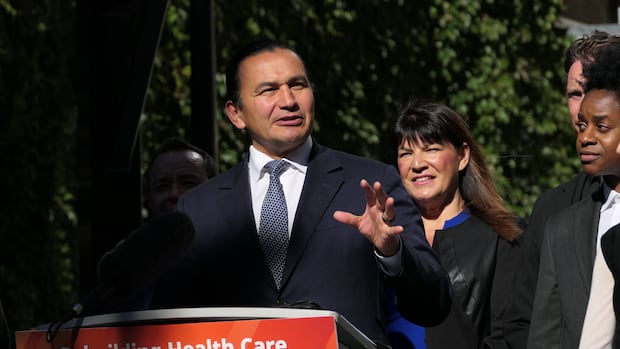
A political scientist who speaks French is raising questions about the reasons behind Manitoba’s premier choosing to respond exclusively in French for two days during question period.
“Well, at best, I’d say it’s impolite,” said Raymond Hébert, a professor emeritus of political studies at the University of St. Boniface.
He mentioned that Wab Kinew’s choice to reply in French to MLAs who aren’t proficient in the language “certainly politicizes the use of French in the legislative assembly in a way that I think is unhealthy in Manitoba.”
Kinew has been speaking solely in French for two days while he’s been present in the chamber, following La Vérendrye MLA Konrad Narth being appointed as interim leader of the Progressive Conservatives last week.
Narth faced backlash back in May when he was caught on tape saying Kinew has a “basic lack of respect” while the premier answered his question in French. Narth later claimed he posed his question in English, not French, which led to more heckling from NDP members, based on an audio clip released by Speaker Tom Lindsey on Monday.
Defends speaking in French
MLAs present can access live translations between Canada’s two official languages.
At an unrelated event on Tuesday, Kinew reacted sharply to inquiries about why he chose to answer English questions using French.
At one moment, he began replying to a reporter’s English inquiry in French, stating that he’ll keep using that language during sessions since it’s one of Canada’s official languages.
When asked whether it was respectful to respond using a language Narth doesn’t comprehend, Kinew described it as a “disrespectful” question from an reporter because the outlet receives partial funding from a bilingual federal government.
WATCH | Premier defends his use of French in legislative chamber: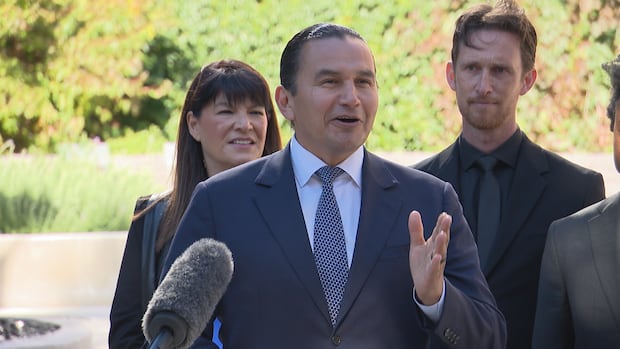
Kinew defends answering English questions in French
Manitoba Premier Wab Kinew is standing by his decision to spend two days responding solely to English queries using French. However, an academic voiced that such behavior could be ‘impolite’ and might jeopardize efforts towards promoting bilingualism within Manitoba.
The premier then reflected on the “very ugly anti-Francophone” sentiments encountered during Manitoba’s past crises back in the 1980s.
Former PC leader Sterling Lyon had opposed bilingual rights. His party spent nearly two weeks stalling the NDP government’s minority language rights legislation by refusing entry into the chamber.
“I cannot abide by the fact that the conservatives own themselves by disrespecting the bilingual tradition,” Kinew expressed on Tuesday.
He noted that today’s PCs continue this legacy because Narth “got mad at me for speaking French in the chamber, which is my prerogative to do.”
“That is a clear attack on Francophone rights in Manitoba.”
The premier emphasized that his choice to speak French isn’t related to Narth at all.Kinew suggested before making those comments earlier today that what he did could undermine his administration’s efforts toward promoting bilingualism according to Hébert.
No additional information available regarding current public consultation will be shared until further notice; however consultations took place last year focusing specifically towards enhancing true bilingual services across various sectors including healthcare and education within province settings especially surrounding cultural centers like Winnipeg offering resources primarily geared toward Francophone communities involved both socially culturally economically integrating Francophones throughout society together with other groups sharing similar interests goals visions concerns overall uniting them under one umbrella moving forward together cohesively collaboratively building better future generations ahead aligning everyone closer side-by-side instead competing against each other unnecessarily!
No additional information available regarding current public consultation will be shared until further notice; however consultations took place last year focusing specifically towards enhancing true bilingual services across various sectors including healthcare and education within province settings especially surrounding cultural centers like Winnipeg offering resources primarily geared toward Francophone communities involved both socially culturally economically integrating Francophones throughout society together with other groups sharing similar interests goals visions concerns overall uniting them under one umbrella moving forward together cohesively collaboratively building better future generations ahead aligning everyone closer side-by-side instead competing against each other unnecessarily!