





Ontario Construction News staff writer
The City of Guelph is set to receive over $33.4 million in federal funds aimed at upgrading its wastewater treatment facilities, boosting capacity, and facilitating the development of thousands of new homes.
Work on the new treatment facility is anticipated to kick off in early September, with the entire project expected to wrap up by fall 2030.
This funding, revealed on August 11 through the federal Build Communities Strong Fund, covers 40 percent of the project’s eligible expenses, which total about $83.7 million.
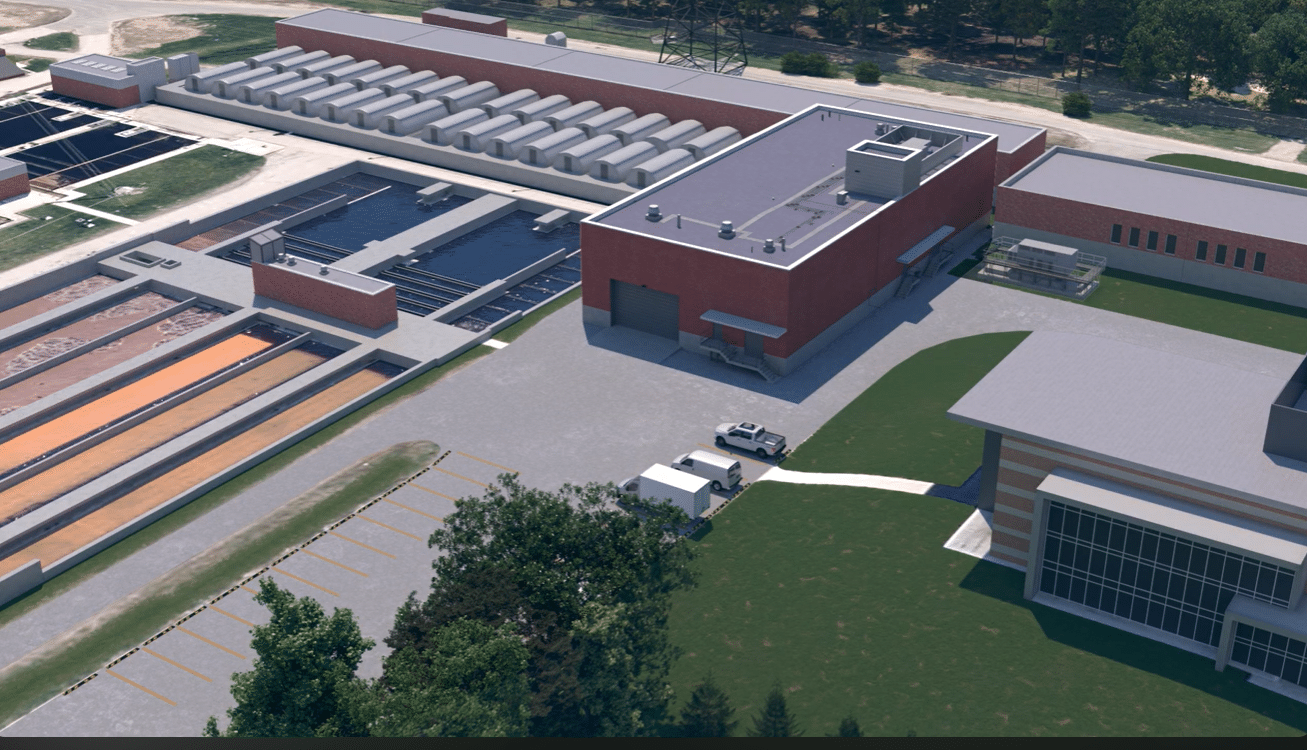
The initiative will involve building a new tertiary treatment facility at the Water Resource Recovery Centre and making enhancements to the Waterloo Avenue trunk sewer.
These improvements are projected to boost wastewater treatment capacity by 24 percent while enhancing system resilience as Guelph expands.
The project will also switch out the current chlorine-based disinfection method for ultraviolet light technology. This upgrade will remove the need for both chlorination and de-chlorination while ensuring treatment standards are upheld.
“Reliable wastewater infrastructure is essential to supporting a growing community,” said Tara Baker, chief administration officer for the City of Guelph. “With support from the Government of Canada, this project will deliver critical upgrades to Guelph’s tertiary treatment facilities, supporting the City’s long-term growth and environmental objectives.”
Sewer renovations will include updates to the Waterloo Avenue trunk sewer from Silvercreek Parkway to the Water Resource Recovery Centre, including sections across Hanlon Parkway. Additional work will extend from Silvercreek to Edinburgh Road and connect to Wellington Street Trunk Sewer via Roland Street.
The announcement of federal funding was made by Guelph MP Dominique O’Rourke on behalf of Housing and Infrastructure Minister Gregor Robertson, alongside Mayor Cam Guthrie and city officials.
“As a former Guelph city councillor and former chair of the Infrastructure, Development and Environment committee, I know how vital today’s investment in wastewater treatment infrastructure in Guelph is to prepare our city for growth,” O’Rourke said.
The project aims to support around 4,400 new housing units across Guelph by 2031.
“By securing federal funding for critical wastewater infrastructure, we can support housing growth, strengthen system resiliency and reduce pressure on municipal funding sources,” Guthrie said.
The Build Communities Strong Fund backs infrastructure projects tied to housing, economic development, transit needs, community initiatives, and climate adaptation efforts.
This wastewater initiative forms part of Guelph’s larger infrastructure investment strategy aligned with priorities highlighted in the city’s Future Guelph Strategic Plan.
Source link