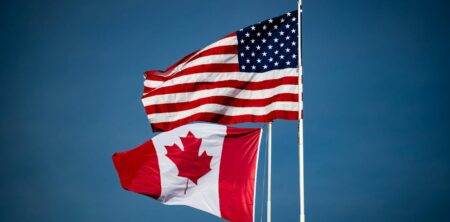





The representative for the Ontario government in Washington says that U. S. President Donald Trump’s recent threat to impose 50 per cent tariffs on numerous Canadian products indicates that the administration is recognizing the impact of Canada’s retaliatory trade actions on the American economy.
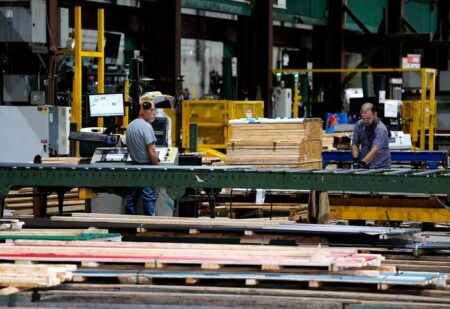
During an interview with CBC’s Power & Politics, David Paterson highlighted a specific issue mentioned in the fact sheet detailing the tariffs: U. S. auto exports to Canada have dropped by 22 per cent since April of last year.
“That represents a significant shift of trade away from jobs in the United States to other regions, and that’s part of what Canada’s federal government is retaliating against,” Paterson told guest host Peter Armstrong.
“These developments are being noticed now, and I see this as a starting point for meaningful discussions moving forward.”
Canada still maintains retaliatory tariffs on American cars, auto parts, steel, and aluminum even after lifting several other duties last summer.
The Trump administration also cited provincial restrictions on U. S. alcohol as another reason for the proposed 50 per cent tariffs, which are expected to take effect on August 19. U. S. spirit manufacturers have described this ban as “devastating” to their sales, while American wine sales in Canada fell by $343 million US in 2025.
WATCH | Ontario’s rep in D. C. on trade talks: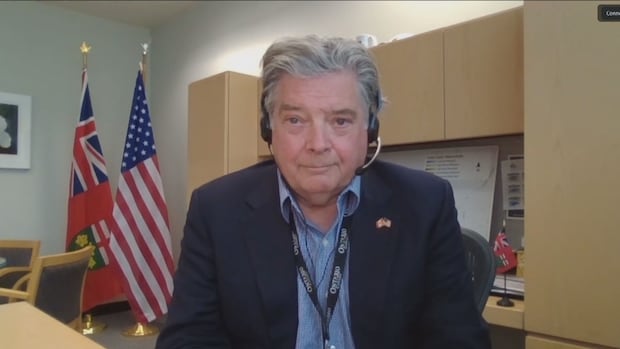 Ontario’s rep in D. C. says he is ‘relieved’ to see trade talks accelerated
With just 20 days left before the implementation of the 50 per cent tariff deadline, Canada’s minister responsible for U. S. trade returned from a trip to Washington, D. C., without any indication that a deal might be reached soon. Additionally, the prime minister stated he ‘doesn’t see much benefit’ in using energy exports as leverage against the U. S. Power & Politics speaks with Ontario’s representative in Washington, David Paterson.
Paterson noted that while Canada’s retaliation has upset some officials within the Trump administration enough to prompt new tariffs, it could serve as a “starting point” for constructive trade discussions currently taking place.
“It’s really a genuine frustration expressed by [U. S. Trade Representative] Jamieson Greer and others; this presents an opportunity to say, ‘OK, could we work together?'” Paterson remarked.
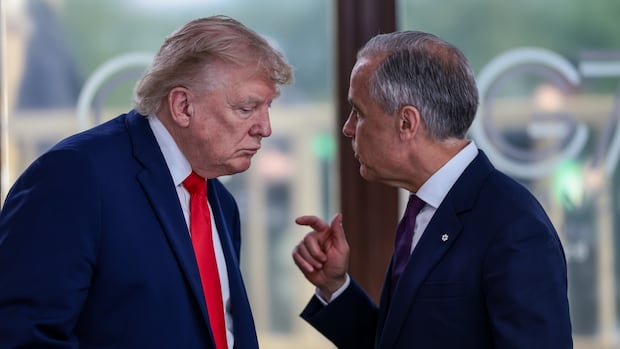
Prime Minister Mark Carney mentioned he had spoken with Trump last week following the announcement of new tariffs and said both leaders agreed to “intensify” their trade discussions.
Paterson observed that things have started moving more quickly in Washington since that conversation.
Carney met with provincial leaders last week to address concerns over the threat of these new tariffs and discuss possible responses.
When speaking with reporters on Wednesday, the prime minister stated that while his government is preparing for possible reactions if these tariffs take effect, his focus remains on “working towards an agreement” prior to August 19.
Paterson supported Carney’s viewpoint.
“We now find ourselves at a moment where we can try and ease tensions between our two friendly nations,” he explained.
WATCH | Political rhetoric expert on Trump’s Canada attacks:
Ontario’s rep in D. C. says he is ‘relieved’ to see trade talks accelerated
With just 20 days left before the implementation of the 50 per cent tariff deadline, Canada’s minister responsible for U. S. trade returned from a trip to Washington, D. C., without any indication that a deal might be reached soon. Additionally, the prime minister stated he ‘doesn’t see much benefit’ in using energy exports as leverage against the U. S. Power & Politics speaks with Ontario’s representative in Washington, David Paterson.
Paterson noted that while Canada’s retaliation has upset some officials within the Trump administration enough to prompt new tariffs, it could serve as a “starting point” for constructive trade discussions currently taking place.
“It’s really a genuine frustration expressed by [U. S. Trade Representative] Jamieson Greer and others; this presents an opportunity to say, ‘OK, could we work together?'” Paterson remarked.
Prime Minister Mark Carney mentioned he had spoken with Trump last week following the announcement of new tariffs and said both leaders agreed to “intensify” their trade discussions.
Paterson observed that things have started moving more quickly in Washington since that conversation.
Carney met with provincial leaders last week to address concerns over the threat of these new tariffs and discuss possible responses.
When speaking with reporters on Wednesday, the prime minister stated that while his government is preparing for possible reactions if these tariffs take effect, his focus remains on “working towards an agreement” prior to August 19.
Paterson supported Carney’s viewpoint.
“We now find ourselves at a moment where we can try and ease tensions between our two friendly nations,” he explained.
WATCH | Political rhetoric expert on Trump’s Canada attacks: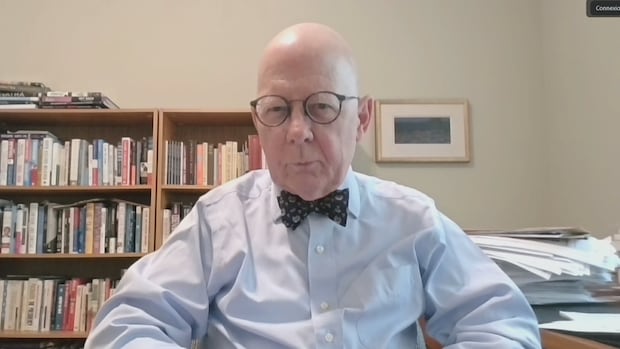 Why does Trump keep attacking Canada?
This back-and-forth includes everything from trade wars and suggestions about becoming America’s 51st state to delays regarding cross-border bridge openings; President Trump consistently focuses his attention on Canada. Power & Politics consults rhetoric and political communication professor Robert C. Rowland about Trump’s ongoing issues with Canada and how they may influence U. S politics.
Dominic Le Blanc, who oversees Canada-U. S. trade at the federal level was also in Washington recently where he met with Greer on Wednesday.
Le Blanc shared via social media that their meeting was “comprehensive,” noting they both “agreed to stay connected and continue collaborating.”
This past Tuesday saw two major labor unions reach out directly to Greer asking him not to move ahead with those planned 50 percent levies.
The international leaders of both United Steelworkers and International Association of Machinists and Aerospace Workers stated that during this past year there has been considerable division concerning Canada-U. S. trade relations.
“Our priority needs shifting towards aligning our trading strategies against unfair practices by countries like China rather than further dividing our own nations,” read their letter.
Why does Trump keep attacking Canada?
This back-and-forth includes everything from trade wars and suggestions about becoming America’s 51st state to delays regarding cross-border bridge openings; President Trump consistently focuses his attention on Canada. Power & Politics consults rhetoric and political communication professor Robert C. Rowland about Trump’s ongoing issues with Canada and how they may influence U. S politics.
Dominic Le Blanc, who oversees Canada-U. S. trade at the federal level was also in Washington recently where he met with Greer on Wednesday.
Le Blanc shared via social media that their meeting was “comprehensive,” noting they both “agreed to stay connected and continue collaborating.”
This past Tuesday saw two major labor unions reach out directly to Greer asking him not to move ahead with those planned 50 percent levies.
The international leaders of both United Steelworkers and International Association of Machinists and Aerospace Workers stated that during this past year there has been considerable division concerning Canada-U. S. trade relations.
“Our priority needs shifting towards aligning our trading strategies against unfair practices by countries like China rather than further dividing our own nations,” read their letter.
Source link
Ontario’s rep in D. C. says he is ‘relieved’ to see trade talks accelerated
With just 20 days left before the implementation of the 50 per cent tariff deadline, Canada’s minister responsible for U. S. trade returned from a trip to Washington, D. C., without any indication that a deal might be reached soon. Additionally, the prime minister stated he ‘doesn’t see much benefit’ in using energy exports as leverage against the U. S. Power & Politics speaks with Ontario’s representative in Washington, David Paterson.
Paterson noted that while Canada’s retaliation has upset some officials within the Trump administration enough to prompt new tariffs, it could serve as a “starting point” for constructive trade discussions currently taking place.
“It’s really a genuine frustration expressed by [U. S. Trade Representative] Jamieson Greer and others; this presents an opportunity to say, ‘OK, could we work together?'” Paterson remarked.
Prime Minister Mark Carney mentioned he had spoken with Trump last week following the announcement of new tariffs and said both leaders agreed to “intensify” their trade discussions.
Paterson observed that things have started moving more quickly in Washington since that conversation.
Carney met with provincial leaders last week to address concerns over the threat of these new tariffs and discuss possible responses.
When speaking with reporters on Wednesday, the prime minister stated that while his government is preparing for possible reactions if these tariffs take effect, his focus remains on “working towards an agreement” prior to August 19.
Paterson supported Carney’s viewpoint.
“We now find ourselves at a moment where we can try and ease tensions between our two friendly nations,” he explained.
WATCH | Political rhetoric expert on Trump’s Canada attacks:
Why does Trump keep attacking Canada?
This back-and-forth includes everything from trade wars and suggestions about becoming America’s 51st state to delays regarding cross-border bridge openings; President Trump consistently focuses his attention on Canada. Power & Politics consults rhetoric and political communication professor Robert C. Rowland about Trump’s ongoing issues with Canada and how they may influence U. S politics.
Dominic Le Blanc, who oversees Canada-U. S. trade at the federal level was also in Washington recently where he met with Greer on Wednesday.
Le Blanc shared via social media that their meeting was “comprehensive,” noting they both “agreed to stay connected and continue collaborating.”
This past Tuesday saw two major labor unions reach out directly to Greer asking him not to move ahead with those planned 50 percent levies.
The international leaders of both United Steelworkers and International Association of Machinists and Aerospace Workers stated that during this past year there has been considerable division concerning Canada-U. S. trade relations.
“Our priority needs shifting towards aligning our trading strategies against unfair practices by countries like China rather than further dividing our own nations,” read their letter.Source link